Skin
Polynucleotides in Sheffield
Skin quality first
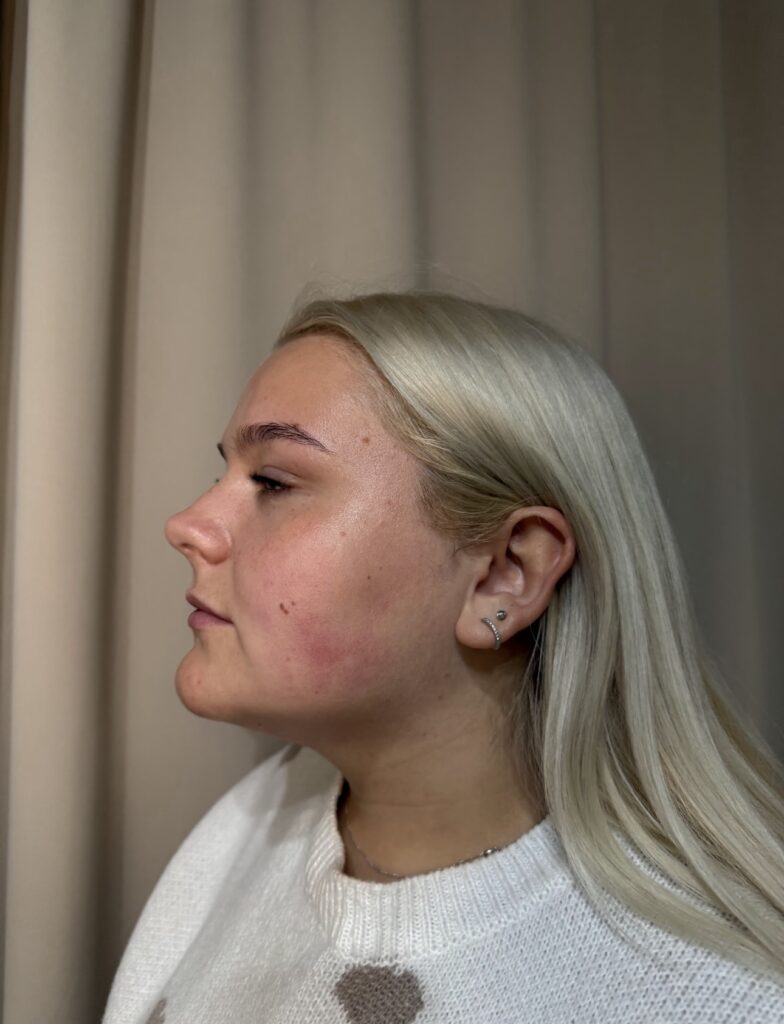
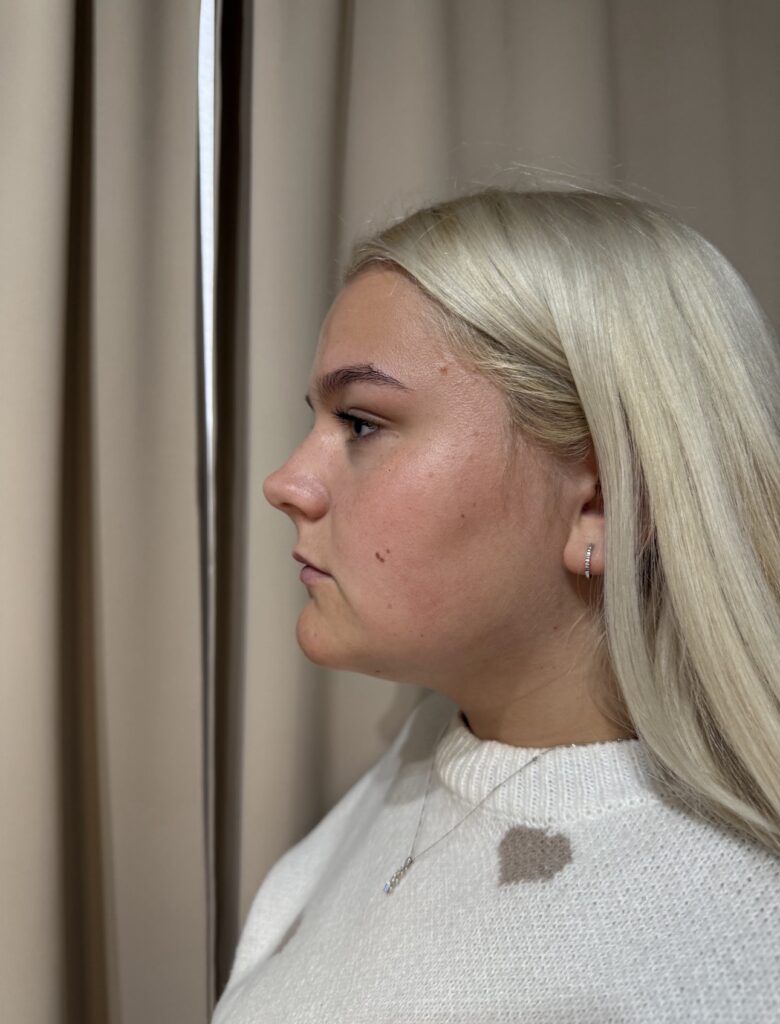
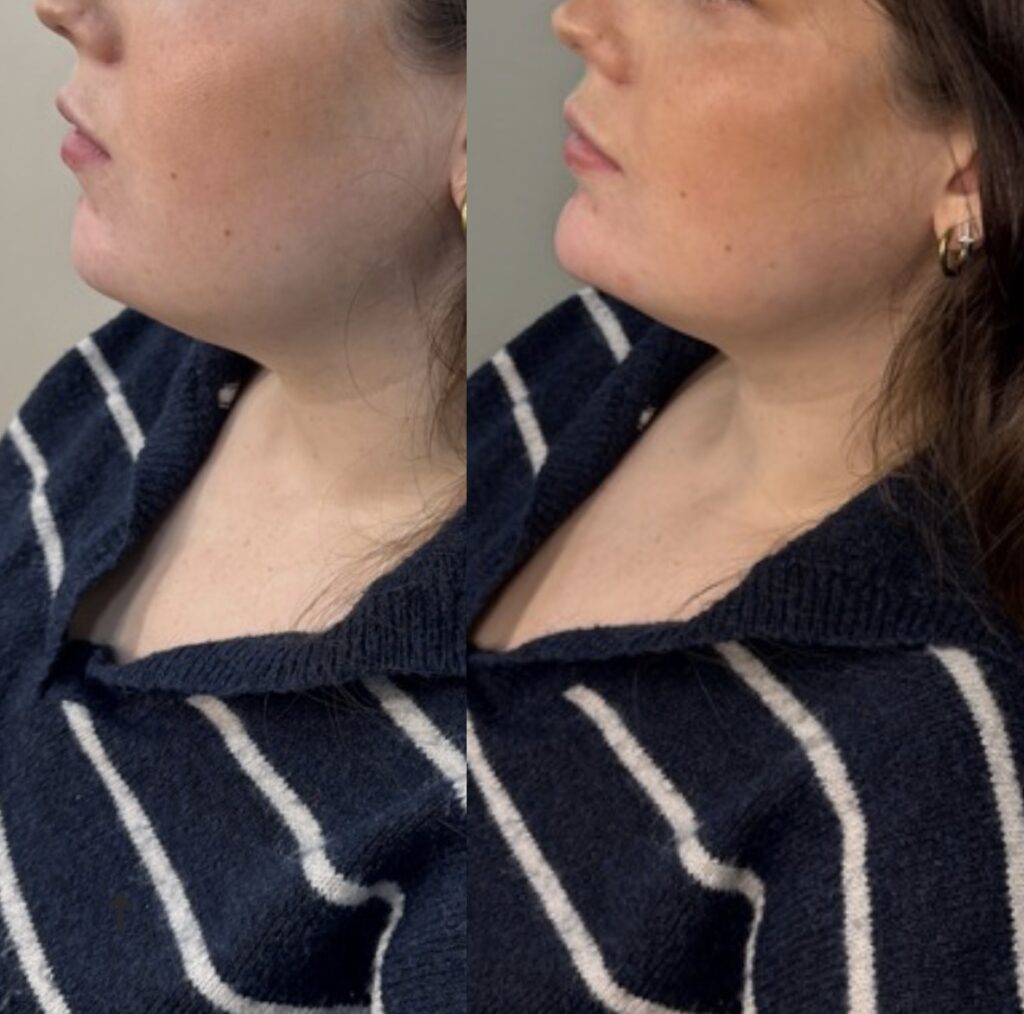
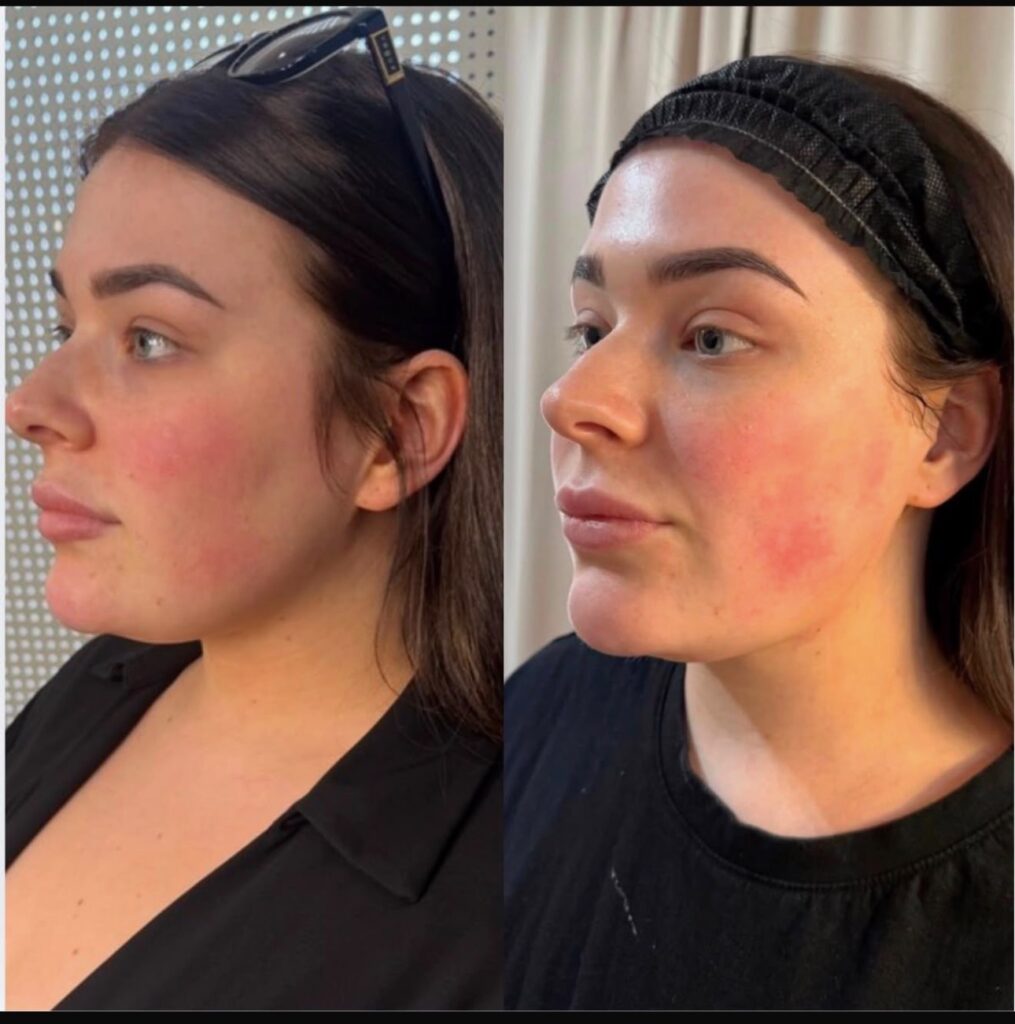
At Saints Aesthetics, we use Rejuran polynucleotides to support skin repair, hydration, elasticity and overall skin quality. They're not filler and they don't add volume.
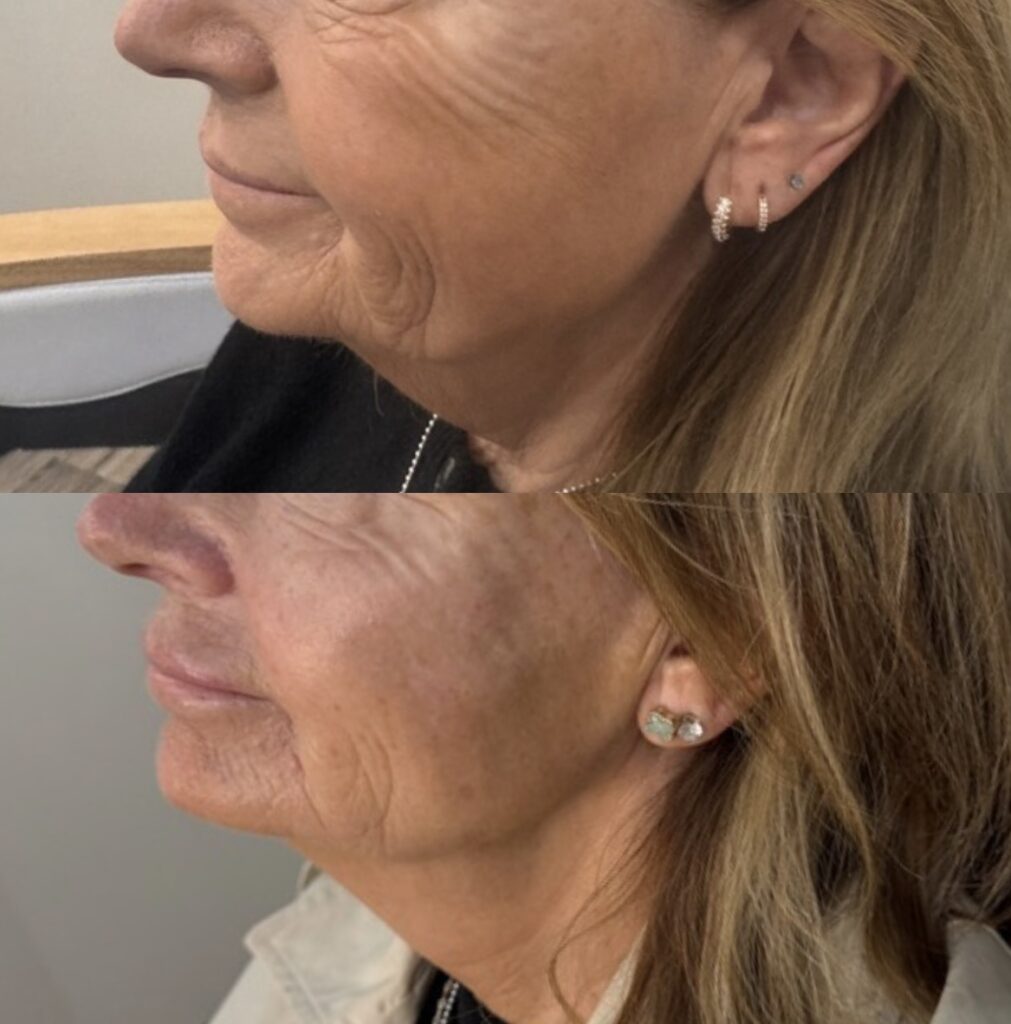
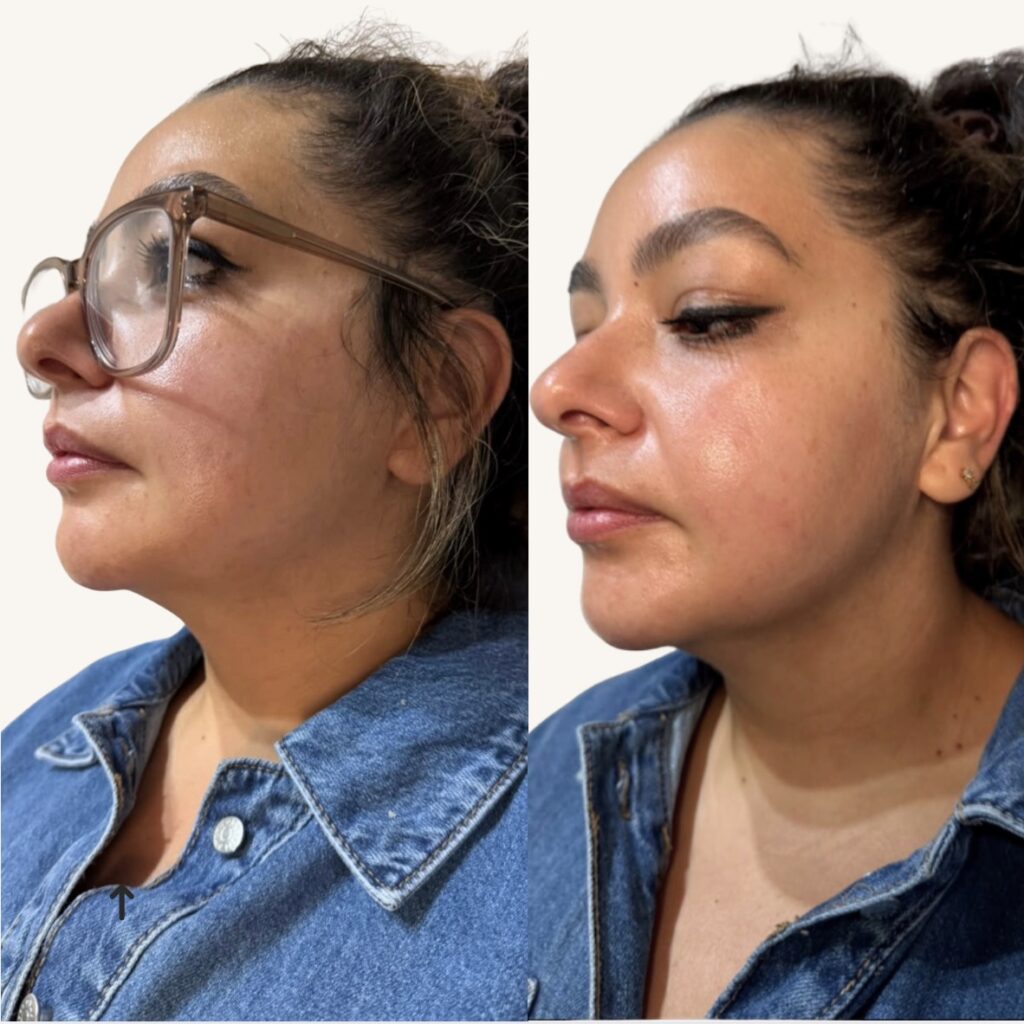
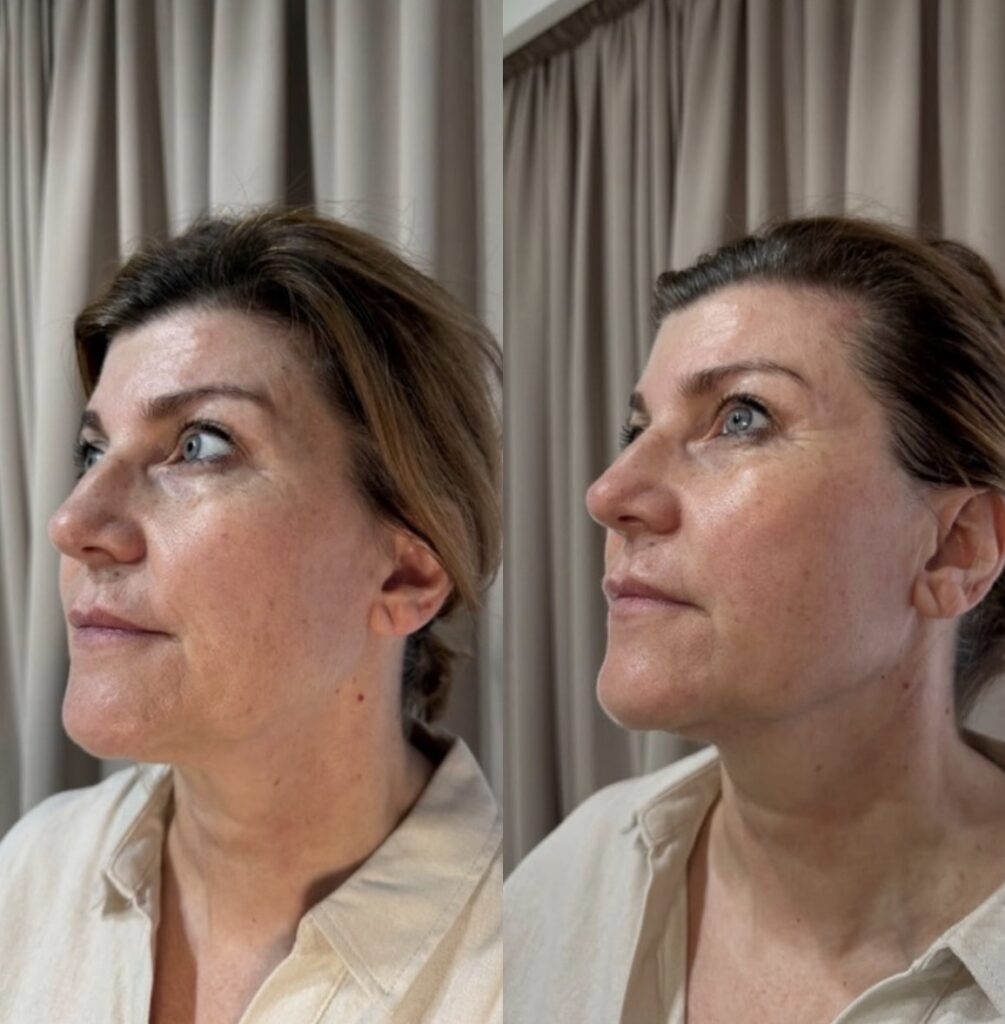
We use them for clients who want to improve the condition of their skin gradually — especially when the concern is fine lines, crepey texture, dullness or delicate areas such as under the eyes. The result is subtle and progressive.

Treatment At A Glance
About This Treatment
What Are Polynucleotides?
Polynucleotides are chains of nucleotides used in aesthetic medicine to support skin regeneration and repair. Rather than adding structure like dermal filler, they work within the skin to help improve hydration, elasticity and the appearance of tired or damaged skin over time.

Benefits
What Can Rejuran Polynucleotides Help With?
They can be used to improve fine lines, crepey skin, dull or tired-looking skin, loss of elasticity, dehydrated skin, under-eye skin quality, texture, and overall skin health and resilience — particularly useful for clients who want improvement without adding volume.

Your Treatment
What Happens During Treatment?
We'll start by assessing your skin and talking through your concerns. Once we've decided Rejuran polynucleotides are suitable for you, the product is injected into the skin using a series of small injections. You may see tiny raised bumps immediately afterwards, which usually settle as the product disperses — treatment is generally quick and most clients find it very manageable.
For the best results, we recommend an initial course of 3 treatments, spaced around 2–4 weeks apart. Polynucleotides work gradually, so each treatment builds on the last, and you may start noticing improvements during your course.
Additional Information
Choosing The Right Treatment For Your Skin
The under-eye area is one of the most popular areas we treat with polynucleotides — a good option if your concern is thin, crepey or tired-looking skin, rather than a true hollow that needs volume. If your main concern is deeper tear trough hollowing, cheek support or significant pigmentation, we may recommend tear trough filler, polynucleotides, or both at different stages of your plan.
Polynucleotides aren't the same as skin boosters — skin boosters primarily improve hydration and texture, while polynucleotides focus more on repair, regeneration and overall skin quality. Depending on your skin, we may recommend one over the other, or combine or alternate them with treatments such as Hydromax, microneedling, RF microneedling, BioRePeel, anti-wrinkle treatment, dermal filler or Sculptra — the best combination depends on whether your main concern is skin quality, movement, volume loss or laxity.
Results, Downtime & Aftercare
When Will I See Results?
Polynucleotides don't give an instant "filled" result — changes develop gradually as the skin responds to treatment. You may notice improvements in hydration, texture and overall skin quality over the following weeks, continuing to develop throughout your course.
You may experience small raised bumps at the injection points, mild swelling, redness, tenderness or bruising. The under-eye area can sometimes swell more noticeably, so we recommend allowing some time for it to settle — we'll give you full aftercare advice before you leave. Once you've completed your initial course, maintenance treatments can help support and prolong your results, and we'll advise on timing based on how your skin responds rather than a fixed schedule.