Laser
CO2 Laser Skin Resurfacing in Sheffield
Resurface. Repair. Renew.
CO2 laser is one of our more advanced treatments for clients wanting to make a noticeable improvement to skin texture, fine lines, wrinkles, pigmentation and acne scarring.
At Saints Aesthetics, we use fractional CO2 laser to create controlled micro-injuries within the skin, stimulating the natural healing response and encouraging new collagen and skin renewal. It's a stronger treatment than a facial or peel, so there is downtime — but for the right skin and concern, it can achieve improvements that lighter treatments simply can't.

Treatment At A Glance
About This Treatment
How Does CO2 Laser Work?
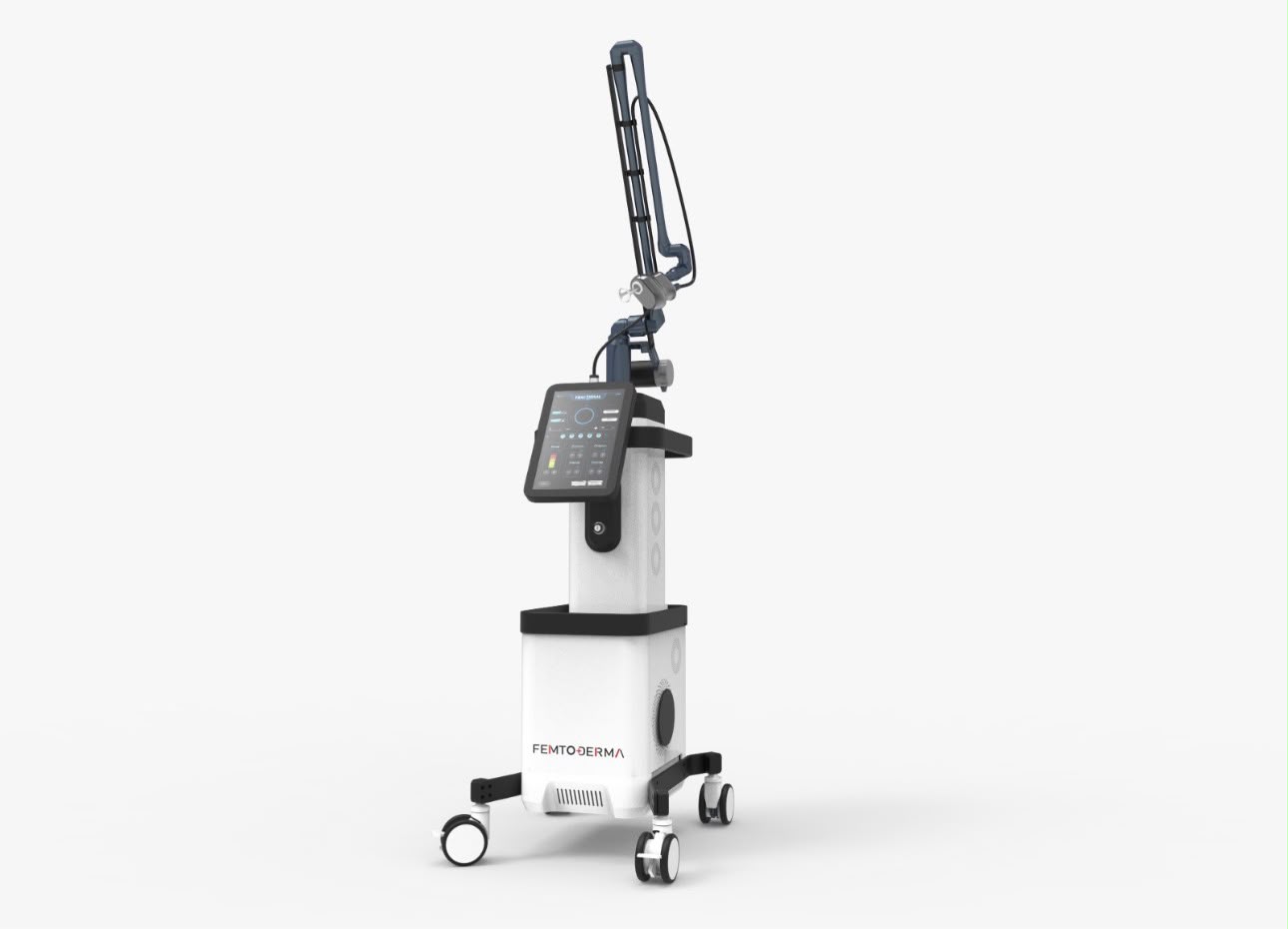
Fractional CO2 laser delivers tiny columns of laser energy into the skin while leaving surrounding areas untreated. This controlled injury triggers the skin's natural repair response and stimulates collagen remodelling — as the skin heals, we're looking for improvements in texture, firmness and overall skin quality.
Treatment intensity can be adjusted depending on your skin, the concern we're treating and the amount of downtime that's appropriate for you.

Benefits & Areas
What Can CO2 Laser Help With?
We use CO2 laser for concerns including fine lines and wrinkles, acne scarring, uneven skin texture, enlarged pores, sun damage, pigmentation, crepey skin, loss of firmness, ageing skin, under-eye lines and crepiness, and general skin resurfacing. It can be used on the full face or targeted areas, depending on what we're treating.
The skin around the eyes is naturally thinner and can become crepey and lined as collagen levels decline — CO2 laser can be used carefully around the eye area to improve fine lines, texture and crepey skin. CO2 laser can also be a really useful treatment for certain types of acne scarring, resurfacing the skin to improve the appearance of depressed scars, uneven texture and overall skin quality.
Your Treatment
Consultation, Patch Test & What Happens
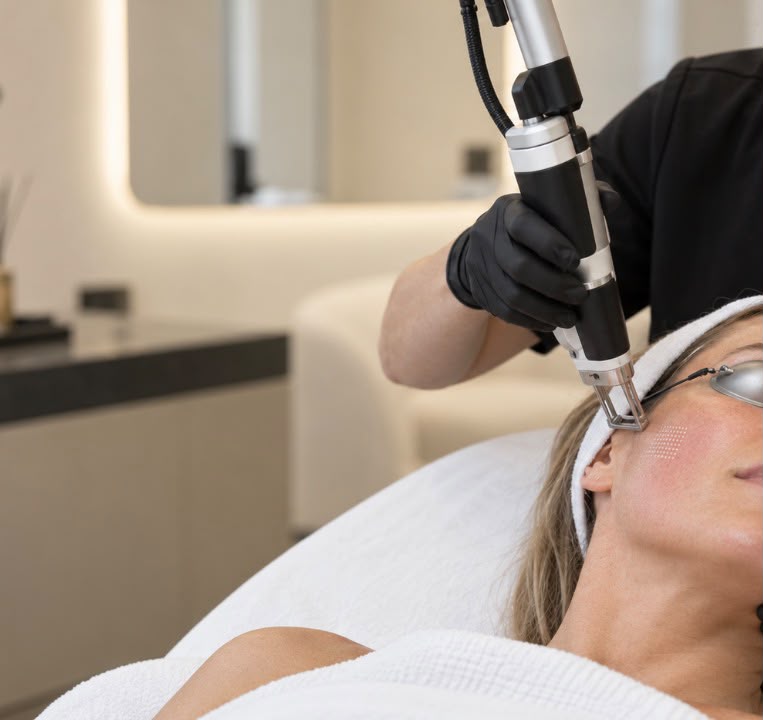
A consultation is required before all CO2 laser treatments at Saints Aesthetics. We'll assess your skin, medical history, medications, current skincare, previous treatments, recent sun exposure and what you'd like to improve. A patch test is also required at least 7 days before your treatment — CO2 laser isn't suitable for everyone, and we won't go ahead unless we're happy that treatment is appropriate for your skin.
CO2 laser is a more intensive treatment, so you can expect to feel heat and sensitivity during and immediately afterwards. We take steps to make treatment as comfortable as possible and will talk you through what to expect before starting — afterwards, the skin can feel warm and tight, similar to a strong sunburn.
Additional Information
Is CO2 Laser The Right Treatment For You?
CO2 laser isn't suitable for everyone. Your skin type, medical history, medications, active skin conditions, tendency to scar, recent sun exposure and current tan all need to be considered — if we don't think it's safe or appropriate for your skin, we won't treat you, and may recommend another option that can achieve your goals more safely. If hollowness or volume loss is contributing to under-eye concerns, laser alone may not be the whole answer — we may discuss options such as Rejuran polynucleotides or tear trough treatment instead. Acne scars aren't all the same either; some clients may benefit more from RF microneedling, microneedling or a combination treatment plan.
CO2 laser and RF microneedling both stimulate collagen but aren't interchangeable — CO2 laser resurfaces the skin and suits lines, sun damage, texture and acne scarring, while RF microneedling delivers radiofrequency energy through needles beneath the skin and suits laxity, texture, pores and acne scarring. Which we recommend depends on your skin type, concern, desired result and the downtime you're comfortable with. CO2 laser can also be combined with other treatments — Rejuran polynucleotides, RF microneedling, microneedling, skin boosters, Hydromax, Sculptra or HIFU — though timing matters; we won't overload freshly treated skin, and will plan treatments at appropriate intervals once your skin has recovered.
Results, Downtime & Aftercare
What Should I Expect?
This isn't one of our "lunchtime treatments" — your skin needs time to heal, usually 7–10 days. Depending on the intensity of your treatment, you can expect redness, swelling, heat and sensitivity, tightness, dryness, bronzing or darkening of the treated skin, flaking or peeling, and tiny crusts as the skin heals. The first few days are generally when your skin looks the most treated, and healing time varies depending on the area and intensity — some residual redness may last longer. We'll explain exactly what to expect before your appointment so you can plan around work, events and holidays.
Strict aftercare must be followed, as your skin barrier is temporarily more vulnerable while it heals. We'll give you detailed instructions covering cleansing, moisturising, SPF, sun avoidance, when to restart active skincare and what products to avoid — you must avoid picking, peeling, scrubbing or trying to speed up healing. Following your aftercare properly helps your skin recover and reduces the risk of complications such as prolonged redness, irritation, infection and changes in pigmentation. You must also avoid sun exposure for 8 weeks following treatment and follow the sun-protection advice given by your practitioner, so CO2 treatments need to be planned carefully around holidays and tanning — if you have a recent tan or significant sun exposure, we may need to postpone.
You'll notice changes as the initial healing settles, but the full result isn't immediate — collagen production and remodelling continue after treatment, so improvements in texture, fine lines and skin quality develop over the following weeks and months. How many treatments you'll need depends on your skin and what we're trying to improve: some clients see a noticeable improvement from a single treatment, while acne scarring or more significant textural changes may need a course. We'll assess your skin and give you a realistic idea of what we think you'll need, rather than selling everyone the same package.