Injectables
Tear Trough Filler in Sheffield
A fresher, less tired look — without changing your face
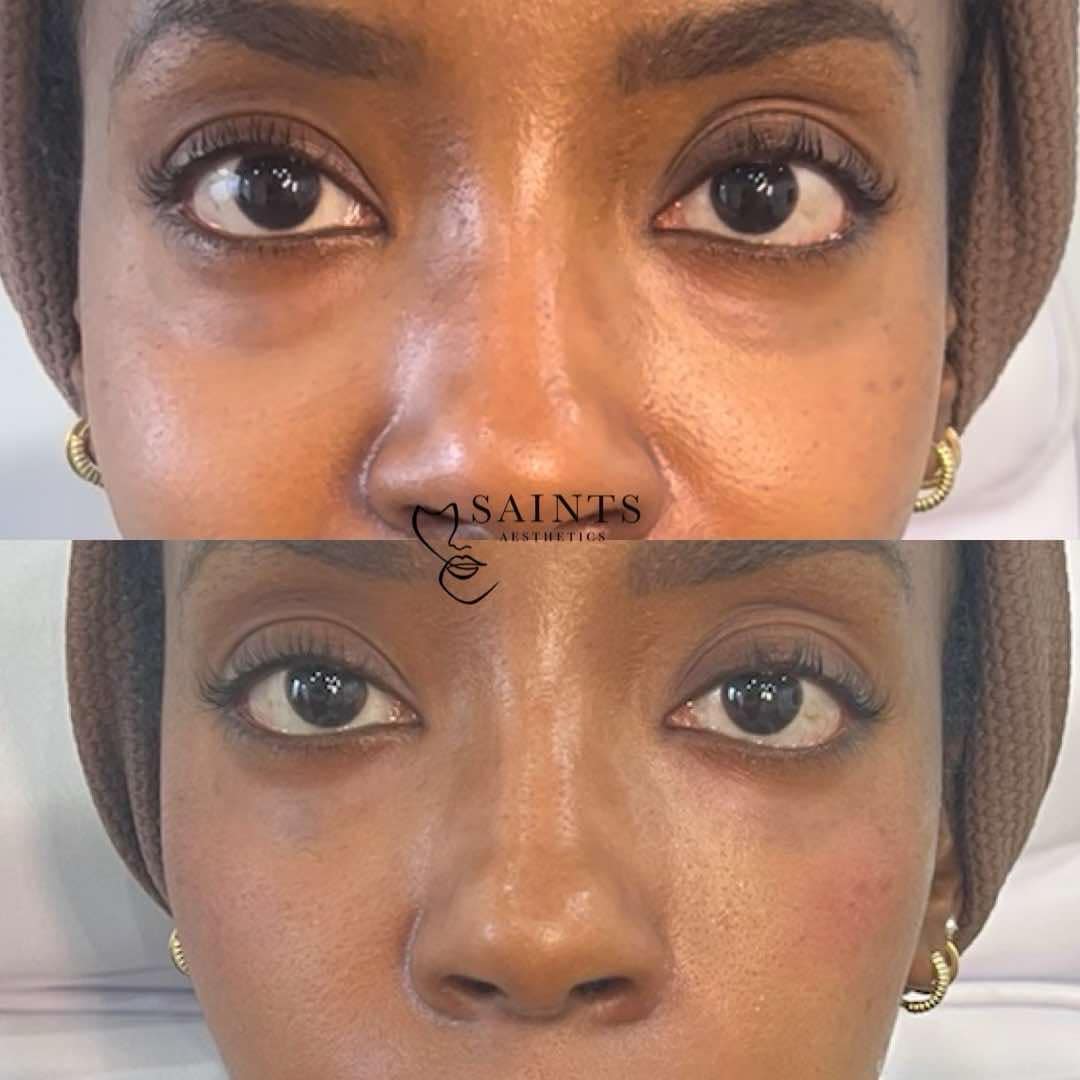
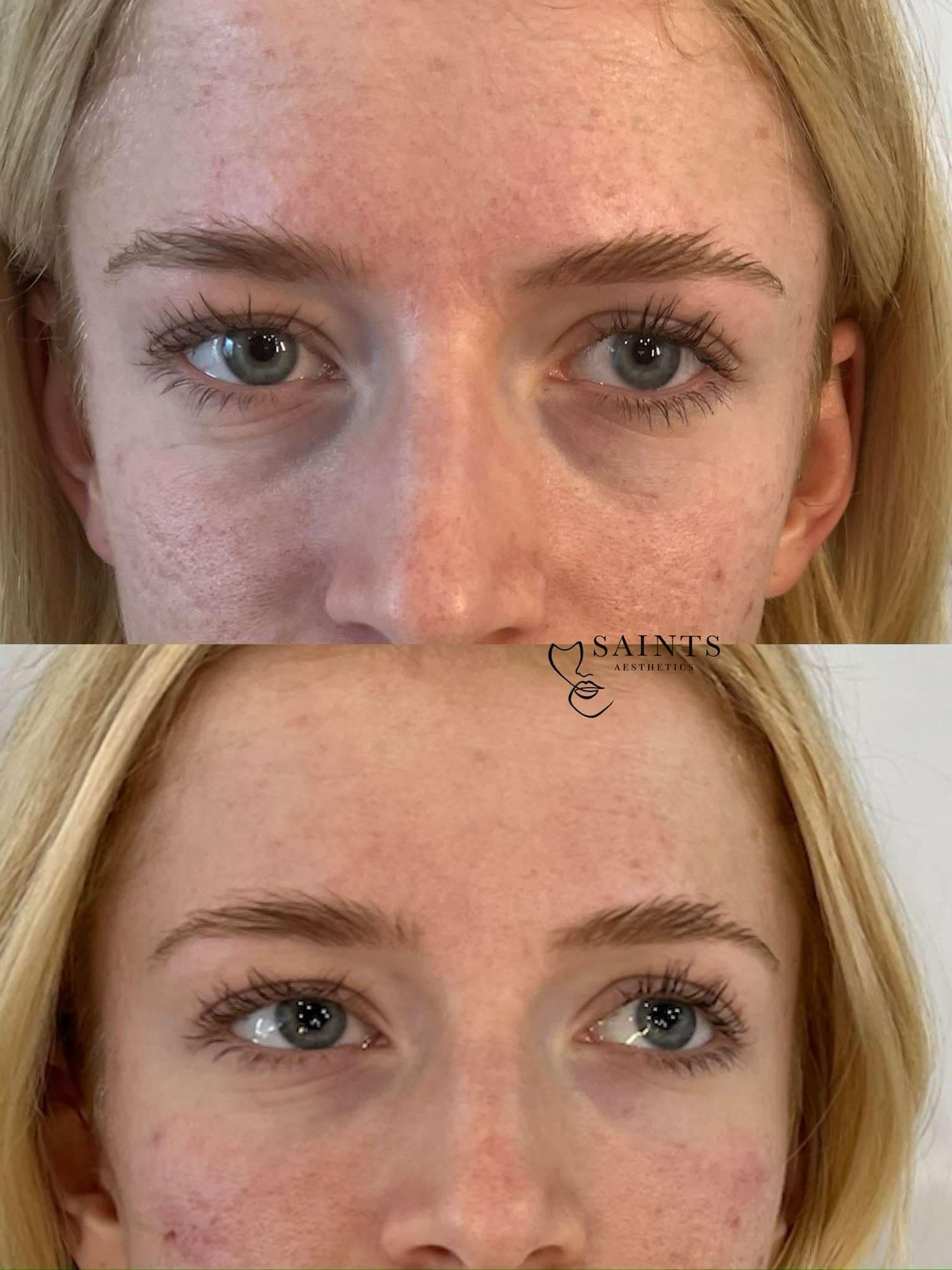
Tear trough filler is used to soften hollowing beneath the eyes and reduce the shadowing that can make you look tired, even when you're not.
At Saints Aesthetics, we take a careful, conservative approach to this area. The under-eye is delicate and tear trough filler isn't suitable for everyone, so we'll always assess you properly before recommending treatment. The aim is subtle improvement, not overfilling.

Treatment At A Glance
About This Treatment
How We Treat Tear Troughs At Saints
Less is often more when it comes to the under-eye. We look at the whole mid-face rather than focusing only on the hollow itself — sometimes supporting the cheek first can improve the under-eye area and reduce how much filler is needed directly beneath the eye.
If tear trough filler is suitable, a carefully selected hyaluronic acid filler is placed in small amounts to soften the hollow and improve the transition between the eye and cheek. The exact technique depends on your anatomy and what we feel is safest and most appropriate for you.

Benefits
What Can Tear Trough Filler Help With?
Tear trough filler may help improve hollowing under the eyes, dark shadows caused by volume loss, a tired or sunken appearance, the transition between the lower eyelid and cheek, and mild asymmetry.

Your Appointment
What Happens During Treatment?
Your appointment starts with a full consultation and assessment. We'll look at your under-eye area, cheek structure, skin quality and the cause of the shadowing or hollowing you're concerned about, discuss your medical history and explain what improvement you can realistically expect. If treatment is suitable, filler is carefully placed using a needle and/or cannula — you may see an improvement straight away, though the area can take time to settle fully.
Most clients find the treatment very manageable. The filler used may contain local anaesthetic, and additional numbing can be used where appropriate — you may feel some pressure or slight discomfort, but the procedure itself is usually fairly quick.
Additional Information
Is Tear Trough Filler Right For Everyone?
No, and that's something we're very open about at Saints. Some clients are ideal candidates, while others may get a better result from skin treatments, polynucleotides or additional support through the cheeks — loss of volume through the mid-face can contribute to under-eye hollowing and shadowing, so we may recommend cheek filler alongside or instead. If you have significant puffiness, fluid retention or prominent eye bags, filler may not be the right treatment — we'd rather tell you that at consultation than treat an area that won't give you the result you want.
This is quite common with under-eye concerns. Depending on what we see, we may recommend polynucleotides, skin boosters, skin treatments to improve quality and texture, cheek filler for extra mid-face support, or a combination approach — sometimes improving the skin itself, or restoring support through the cheeks, gives a better result than simply adding filler directly underneath the eyes.
Results, Downtime & Aftercare
How Long Does It Last?
You may experience mild swelling, tenderness, redness or bruising. A review appointment is included with your treatment, giving us the chance to check how the area has settled and make sure everything is healing as expected — we prefer to review first rather than automatically add more product, especially in the under-eye area where subtle treatment is usually best.
Tear trough filler typically lasts around 18 months, although this varies depending on your anatomy, the product used, your lifestyle and how your body naturally breaks it down. Because filler can remain in the under-eye area for a long time, we don't automatically top it up at set intervals — we'll assess the area first and only recommend further filler when it's genuinely needed.